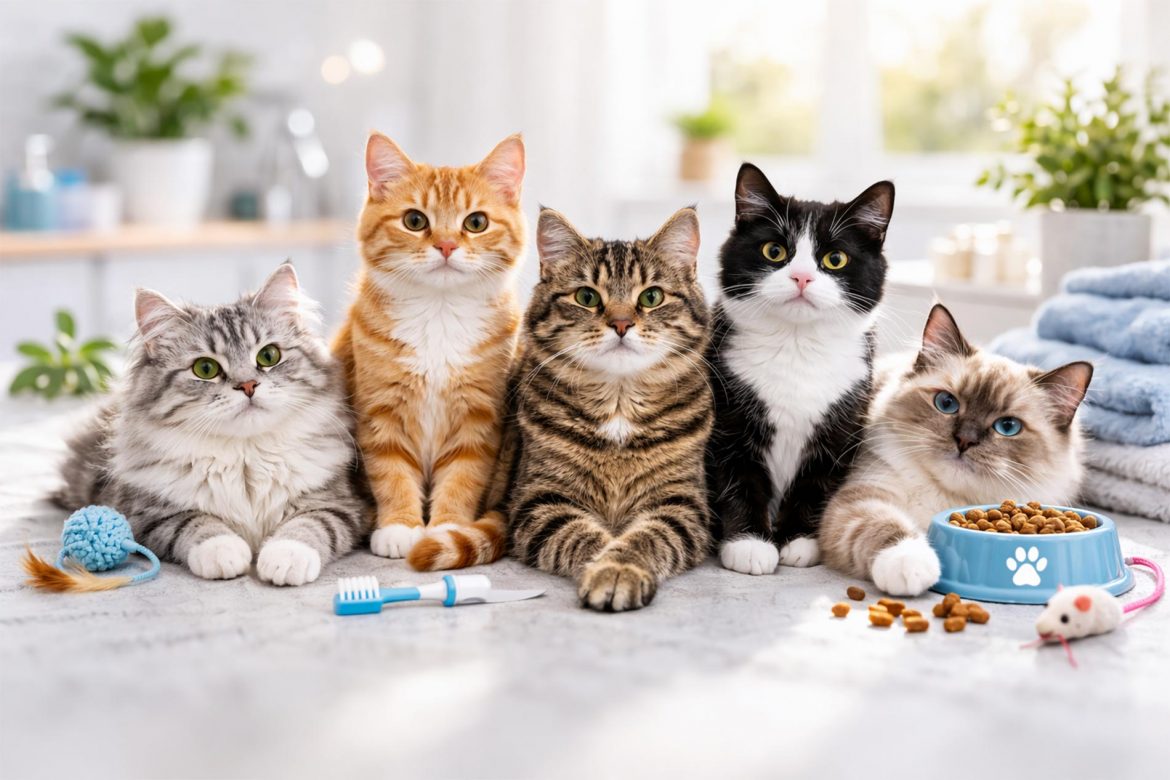

Signs Your Cat May Need Dental Treatment
Dental disease is very common in cats, but the signs are not always obvious. Many cats continue eating and behaving quite normally even when they have sore gums, painful teeth or advanced tartar build-up. In this guide, we explain the common signs of dental problems in cats, when treatment may be needed, and why early dental care is important for your cat’s comfort and health.
Why is dental health important in cats?
Your cat’s oral health is an important part of their overall wellbeing. Plaque and tartar can build up over time, leading to inflamed gums, infection, painful teeth and difficulty eating comfortably.
Because cats are often very good at hiding discomfort, dental disease may be more advanced by the time obvious symptoms appear. Regular dental checks can help spot problems earlier and allow treatment before pain becomes more severe.
What are the common signs of dental disease in cats?
Some cats show very subtle signs of dental pain, while others become noticeably quieter, fussier with food or less willing to be touched around the mouth. Even small changes can be worth investigating.
Common signs to look out for
- Bad breath
- Red or inflamed gums
- Yellow or brown tartar on the teeth
- Difficulty eating or chewing
- Dropping food from the mouth
- Dribbling or drooling
- Pawing at the mouth
- Reduced appetite or fussiness with food
Is bad breath in cats a sign of dental problems?
In many cases, yes. Ongoing bad breath can be one of the first signs of plaque build-up, gum disease or infection in the mouth. While some owners assume bad breath is normal, persistent odour is often a reason to arrange a dental check.
If your cat’s breath has become noticeably worse, it is worth having their teeth and gums assessed.
What dental treatment might a cat need?
The right treatment depends on what is found during the examination. Some cats may need a routine dental check and advice on oral care, while others may need a scale and polish or tooth extractions if disease is more advanced.
Ivy Lodge’s prices page includes a dedicated cat dentistry section, including dental scale and polish, staged dental treatment and general anaesthetic pricing for cats, which shows that cat dental procedures are part of the clinic’s live service offering.
Dental treatment may include
- Dental health checks
- Scaling and polishing
- Tooth extractions where needed
- Pain relief and aftercare
- Advice on ongoing dental care
Can cats hide dental pain?
Yes, very easily. Cats often mask discomfort, which means dental disease may be present even if they are still eating and behaving relatively normally. This is one reason why routine checks are so important.
Changes such as eating more slowly, preferring softer food, becoming quieter or resisting touch around the face can all be signs that something is wrong.
How can you help protect your cat’s dental health?
Regular veterinary dental checks are one of the best ways to protect your cat’s oral health. Early assessment can help identify tartar build-up, gum inflammation and painful teeth before the condition becomes more advanced.
Your vet or nurse can also advise on realistic home-care options where appropriate, although every cat will vary in what they tolerate.
When should you book a dental check for your cat?
If your cat has bad breath, visible tartar, sore gums, drooling, difficulty eating or any change in eating habits, it is a good idea to arrange an appointment. Even mild signs can still point to significant dental discomfort.
Early assessment can help prevent more advanced disease and allow treatment to be planned before your cat is in ongoing pain.
Need more information about dental treatment for your cat?
At Ivy Lodge Vets, we provide pet dentistry services including dental assessment and treatment for cats and dogs. If your cat has bad breath, tartar build-up, sore gums or difficulty eating, our team can help assess the problem and advise on the most suitable treatment.
Read more about our pet dentistry service
Contact Ivy Lodge Vets or call 01708 373 671.