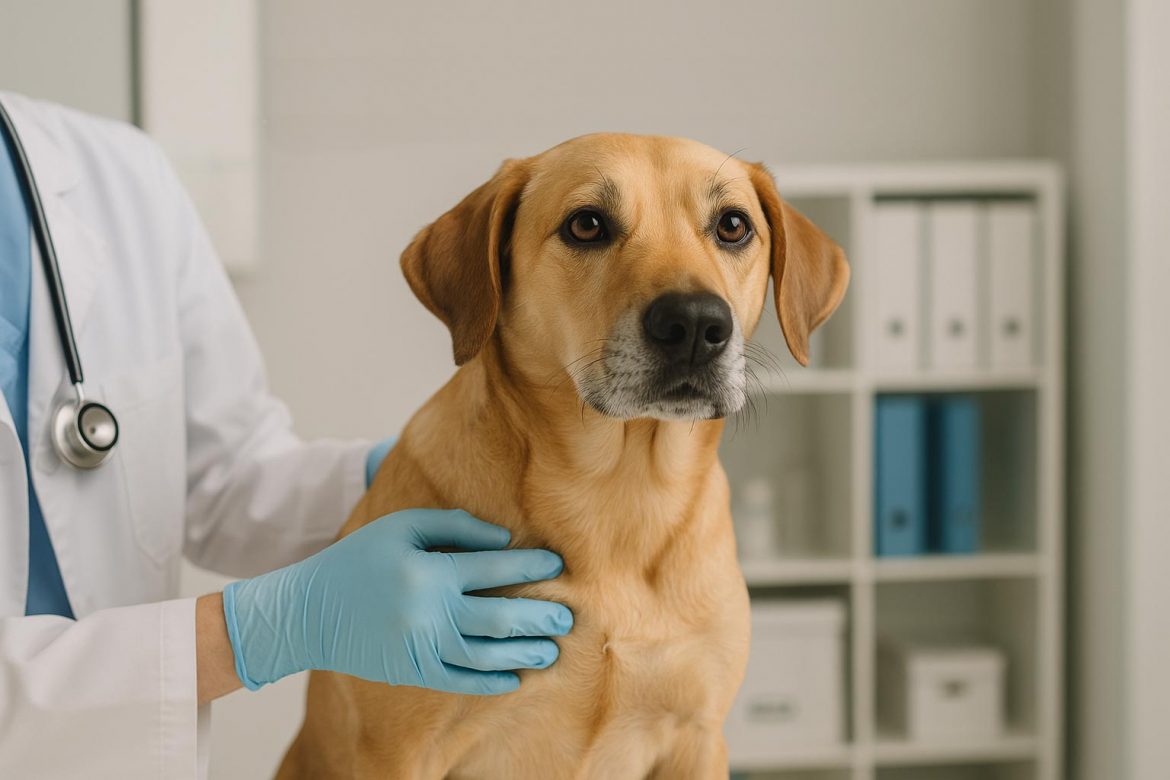

Is Your Senior Dog Slowing Down or in Pain?
As dogs get older, it is common for owners to notice changes in mobility, energy levels and general comfort. A senior dog may seem slower on walks, more reluctant to jump, or less eager to climb stairs or get up after resting. While some slowing down can happen with age, ongoing stiffness, limping or discomfort should not simply be dismissed as getting older. In this guide, we explain the signs to look out for and when it may be time to seek advice.
Why do senior dogs slow down?
There can be several reasons why an older dog becomes less active, but one of the most common is discomfort linked to the joints, bones or muscles. Ivy Lodge’s orthopaedics page explains that orthopaedic problems can lead to pain, reduced mobility and decreased activity, and specifically lists arthritis and joint disease among the conditions they manage for ageing pets.
Although age-related changes can be gradual, they can still have a significant effect on your dog’s quality of life if left unaddressed.
What are the signs of pain or mobility problems in an older dog?
Some dogs show obvious lameness, while others become quieter and subtly change how they move. Owners may notice that their dog seems stiff after lying down, struggles to get comfortable, or no longer enjoys exercise in the same way.
Common signs to look out for
- Stiffness after rest
- Limping or lameness
- Difficulty getting up
- Reluctance to use stairs
- Hesitation jumping onto furniture or into the car
- Reduced enthusiasm for walks
- Changes in posture or gait
- Becoming quieter or less active than usual
Could it be arthritis?
Arthritis is one of the most common causes of pain and stiffness in senior dogs. It affects the joints and can make normal movement uncomfortable, especially after exercise or periods of rest. Ivy Lodge’s orthopaedics service includes both surgical and non-surgical options for arthritis and degenerative joint disease, with the aim of helping pets live more comfortably as they age.
Not every older dog with stiffness has arthritis, but it is a very common reason why dogs begin to slow down.
How are mobility problems in senior dogs assessed?
The first step is usually a veterinary examination. Ivy Lodge explains that an orthopaedic consultation may include a thorough assessment along with diagnostic imaging such as X-rays or ultrasound, depending on what is suspected.
This helps identify where the discomfort is coming from and whether the problem is likely to involve the joints, soft tissues, ligaments or bones.
What treatment options might help an older dog?
Treatment depends on the diagnosis and on your dog as an individual. Some dogs benefit from pain management and a carefully adjusted exercise routine, while others may need more structured orthopaedic care or rehabilitation support.
Ivy Lodge’s orthopaedics page states that post-surgical and orthopaedic care may include tailored pain relief plans, physiotherapy and rehabilitation, follow-up appointments, and home care guidance to support comfort and recovery.
Treatment may include
- Pain management
- Controlled exercise advice
- Physiotherapy and rehabilitation
- Follow-up appointments
- Further orthopaedic investigation where needed
Can older dogs still enjoy a good quality of life?
Yes, very often they can. Many senior dogs continue to enjoy life well when pain and mobility issues are recognised early and managed properly. The aim is not simply to accept slowing down, but to understand whether there is an underlying issue that can be treated or supported.
Small improvements in comfort can make a big difference to your dog’s confidence, movement and day-to-day happiness.
When should you speak to a vet?
If your senior dog is limping, stiff after rest, reluctant to jump or use stairs, or seems generally less comfortable than usual, it is worth arranging an assessment. Ongoing signs of pain or reduced mobility should not be ignored simply because a dog is older.
Early advice can help identify the cause and make it easier to put the right treatment plan in place.
Need more information about orthopaedic care for your senior dog?
At Ivy Lodge Vets, we provide orthopaedic assessments and treatment for pets with joint, bone and mobility problems, including older dogs showing signs of stiffness, pain or reduced activity. If you are worried your senior dog may be slowing down because of discomfort, our team will be happy to help.
Read more about our orthopaedics service
Contact Ivy Lodge Vets or call 01708 373 671.