Ivy Lodge Vets Blog
Welcome to the Ivy Lodge Vets blog, where you can find helpful advice, pet care information and guidance on a range of topics including surgery, dentistry, orthopaedics, preventative care and general pet health.
- All
- Cat Health
- Dog Health
- Orthopaedics and Mobililty
- Pet Dentistry
- Pet Surgery
- Preventative Care
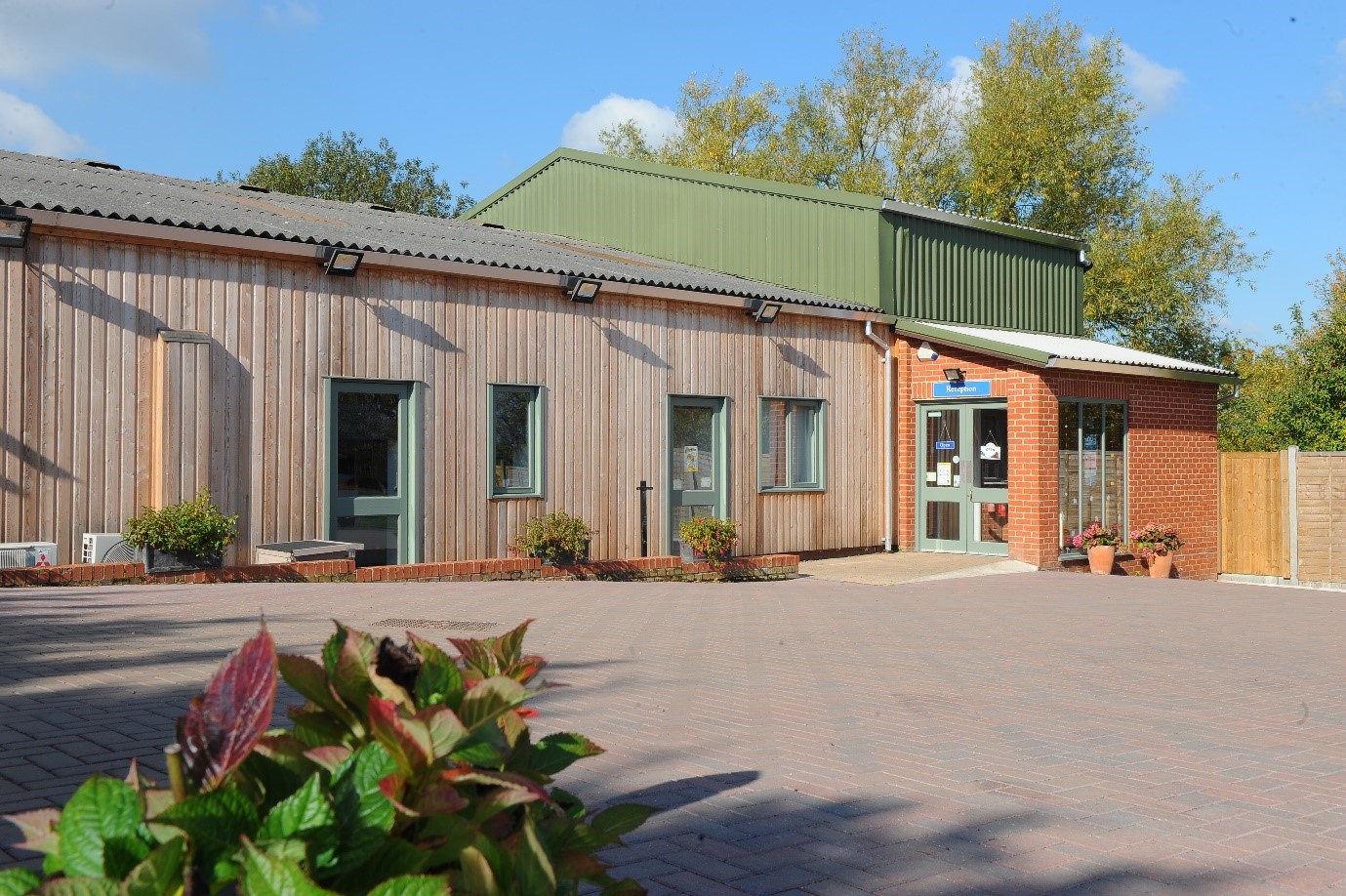
Why Regular Dental Checks Matter for Dogs
Why Regular Dental Checks Matter for Dogs Dental disease is one of the most common health issues seen in dogs, yet it is often overlooked until there are obvious signs such as bad breath, tartar build-up or difficulty eating. Regular dental checks can help spot problems earlier and protect your dog’s comfort over the long […]
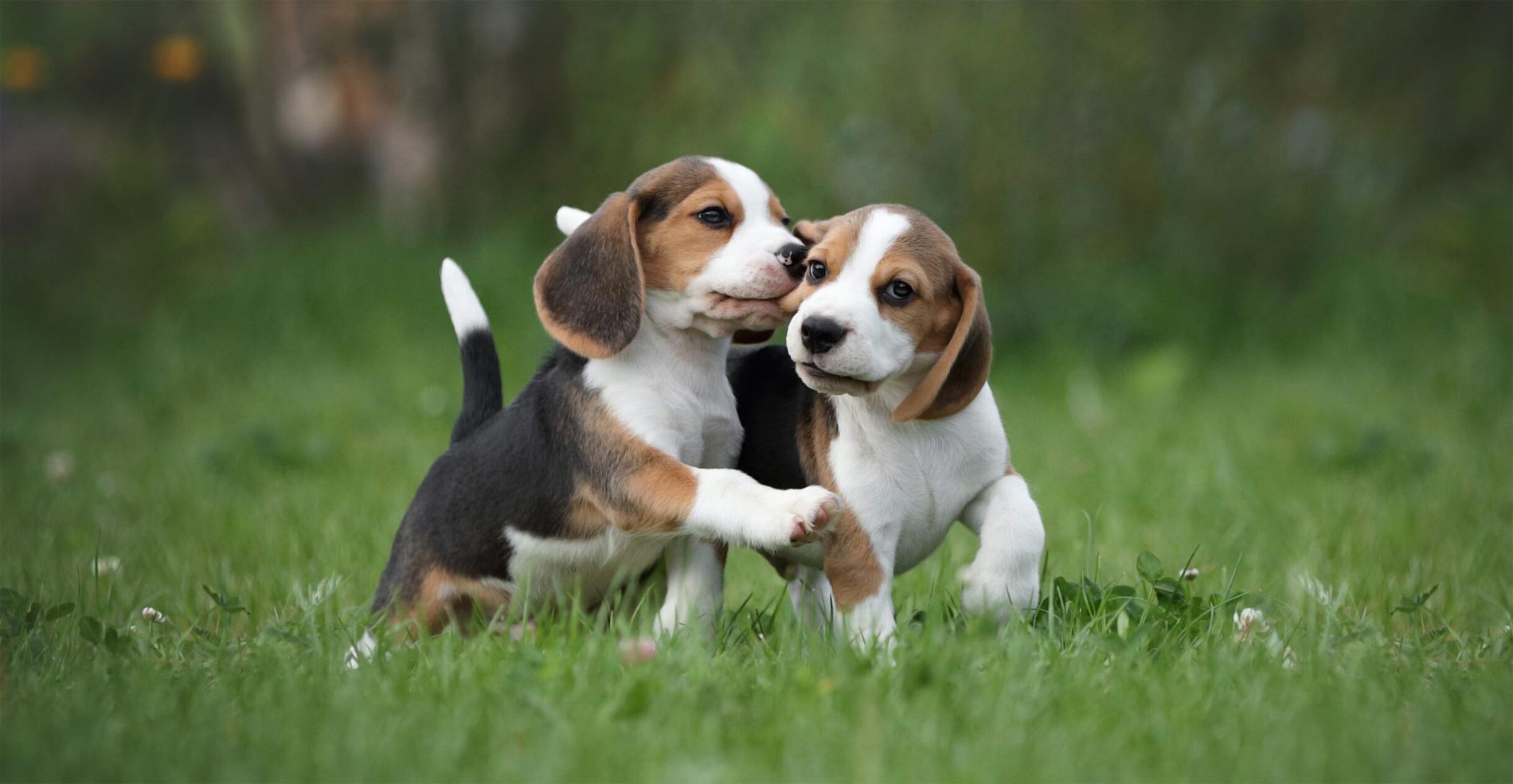
How to Tell if Your Dog’s Limp Needs Checking
Dogs can limp for many different reasons, from a mild strain to a more significant orthopaedic problem. Some limps improve quickly, while others can be a sign of joint pain, ligament injury or another condition that needs proper assessment. In this guide, we explain when a limp might need veterinary attention and why it is worth getting ongoing lameness checked sooner rather than later.
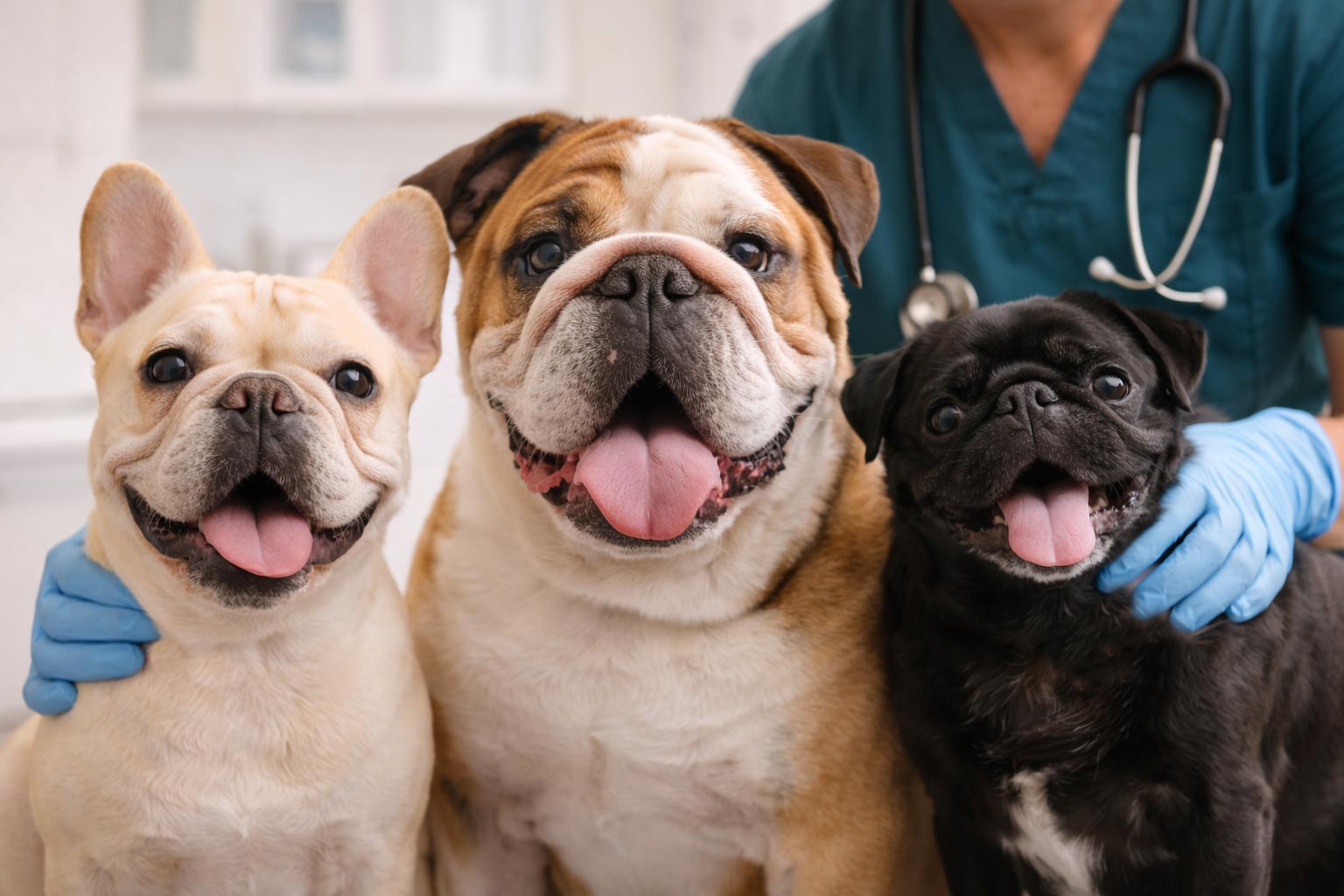
Could Your Flat-Faced Dog Have BOAS?
Flat-faced dogs such as French Bulldogs, Pugs and English Bulldogs are loved for their character and appearance, but their facial shape can also make breathing more difficult. Many owners notice snoring, noisy breathing or poor tolerance to exercise, but do not always realise these can be signs of an airway condition called BOAS. In this guide, we explain what BOAS is, which signs to look out for, and when it may be time to seek veterinary advice.
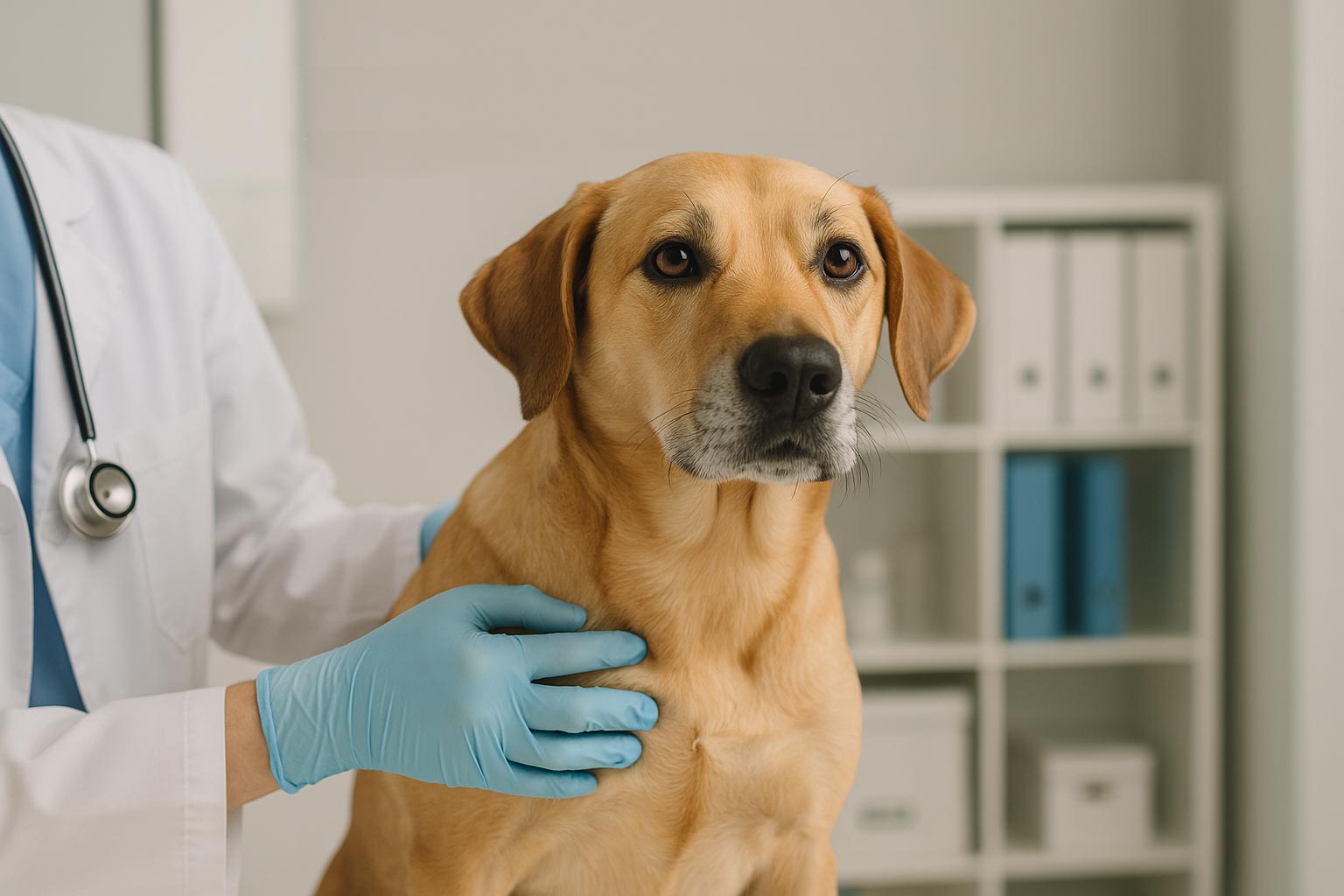
Is Your Senior Dog Slowing Down or in Pain?
As dogs get older, it is common for owners to notice changes in mobility, energy levels and general comfort. A senior dog may seem slower on walks, more reluctant to jump, or less eager to climb stairs or get up after resting. While some slowing down can happen with age, ongoing stiffness, limping or discomfort should not simply be dismissed as getting older. In this guide, we explain the signs to look out for and when it may be time to seek advice.

Signs Your Cat May Need Dental Treatment
Dental disease is very common in cats, but the signs are not always obvious. Many cats continue eating and behaving quite normally even when they have sore gums, painful teeth or advanced tartar build-up. In this guide, we explain the common signs of dental problems in cats, when treatment may be needed, and why early dental care is important for your cat’s comfort and health.
Signs Your Dog May Have a Cruciate Ligament Injury
If your dog has started limping on a back leg, seems stiff after rest, or is struggling to get comfortable, a cruciate ligament injury could be one possible cause. These injuries are one of the most common orthopaedic problems seen in dogs and can have a major effect on comfort, mobility and quality of life. In this guide, we explain the common signs to look out for, why these injuries happen, and when it may be time to speak to your vet
What Is Recovery Like After TPLO Surgery for Dogs?
If your dog has been recommended for TPLO surgery, one of the first questions you are likely to ask is what recovery will involve. While TPLO is a commonly performed orthopaedic procedure for cruciate ligament injuries, recovery is still a very important part of the overall outcome. In this guide, we explain what owners can generally expect after TPLO surgery, how recovery is managed, and why careful aftercare matters
How Can Canine Physiotherapy Help Your Dog?
If your dog is recovering from surgery, slowing down with age, or struggling with stiffness and mobility, canine physiotherapy may be an important part of their care. Physiotherapy is often used to support recovery, improve movement and help dogs regain strength and confidence after injury or orthopaedic treatment. In this guide, we explain how canine physiotherapy can help, when it may be recommended, and what owners should know
What Does a Veterinary Orthopaedic Assessment Involve?
If your pet is limping, slowing down, struggling to get up, or showing signs of pain during movement, an orthopaedic problem may be the cause. Orthopaedic conditions affect the bones, joints, ligaments and muscles, and they can have a major impact on comfort and mobility. In this guide, we explain what a veterinary orthopaedic assessment involves, the types of problems it can help identify, and when it may be time to arrange an appointment
When Should You Neuter a Dog?
Many dog owners know that neutering is a common procedure, but are unsure about the right age, the benefits, or whether it is the best option for their pet. The answer can vary depending on your dog’s breed, size, sex, health and behaviour. In this guide, we explain what neutering involves, when it may be recommended, and why it is important to discuss the timing with your vet
Signs Your Dog May Need Dental Treatment
Dental disease is one of the most common health problems seen in dogs, yet it can easily go unnoticed in the early stages. Many owners assume bad breath is normal, but this can be one of the first signs that something is wrong. In this guide, we explain the common signs of dental problems in dogs, when treatment may be needed, and why early dental care can make a real difference to your pet’s comfort and health
What Is BOAS in Dogs?
BOAS is a common condition affecting flat-faced dog breeds such as French Bulldogs, Pugs and English Bulldogs. Many owners notice noisy breathing, snoring, exercise intolerance or difficulty coping in warm weather, but may not realise these signs can point to an underlying airway problem. In this guide, we explain what BOAS is, how it affects dogs, and when surgery may be recommended.
What Is TPLO Surgery for Dogs?
If your dog has been diagnosed with a cruciate ligament injury, you may have been told that TPLO surgery could be the best treatment option. For many owners, this is the first time they have heard the term, and it is completely normal to have questions. In this guide, we explain what TPLO surgery is, why it is recommended, and how it can help dogs return to a more comfortable and active life